
24 October to 7 November 2023
We left Phnom Penh on a 6 hour minibus ride north to the town of Battambang. This is the second largest city in the country behind the capital Phnom Penh. The city does not look all that big but sprawls over a very large area. It sits on the banks of the Sangker River and enjoys a fairly constant climate.
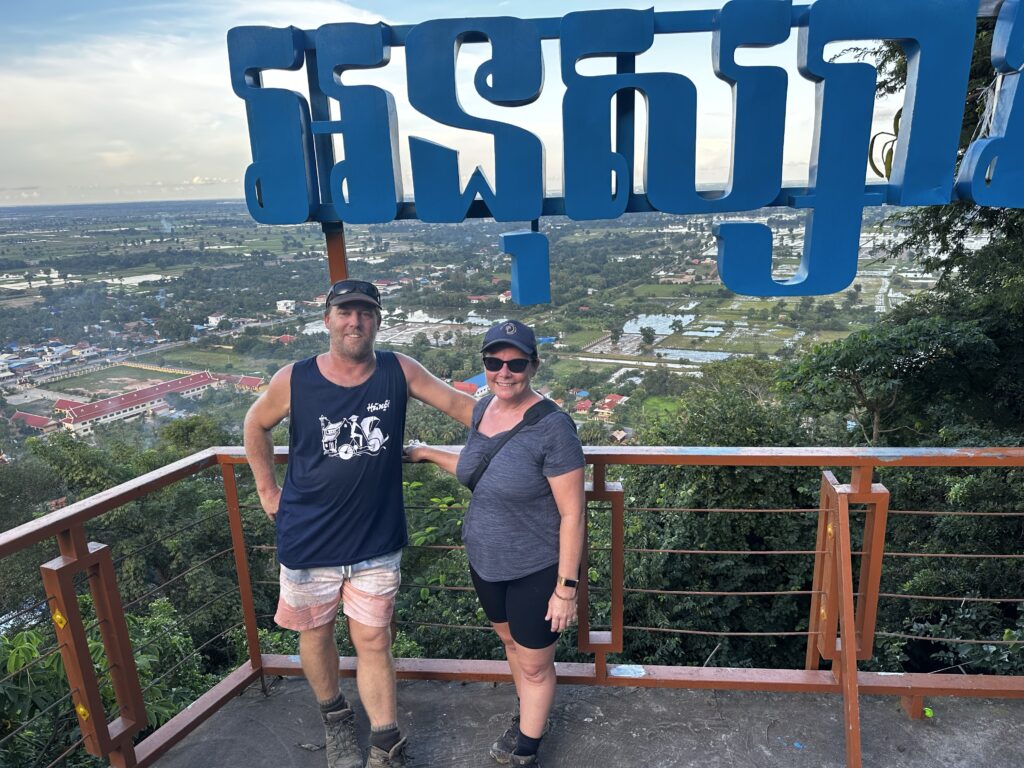
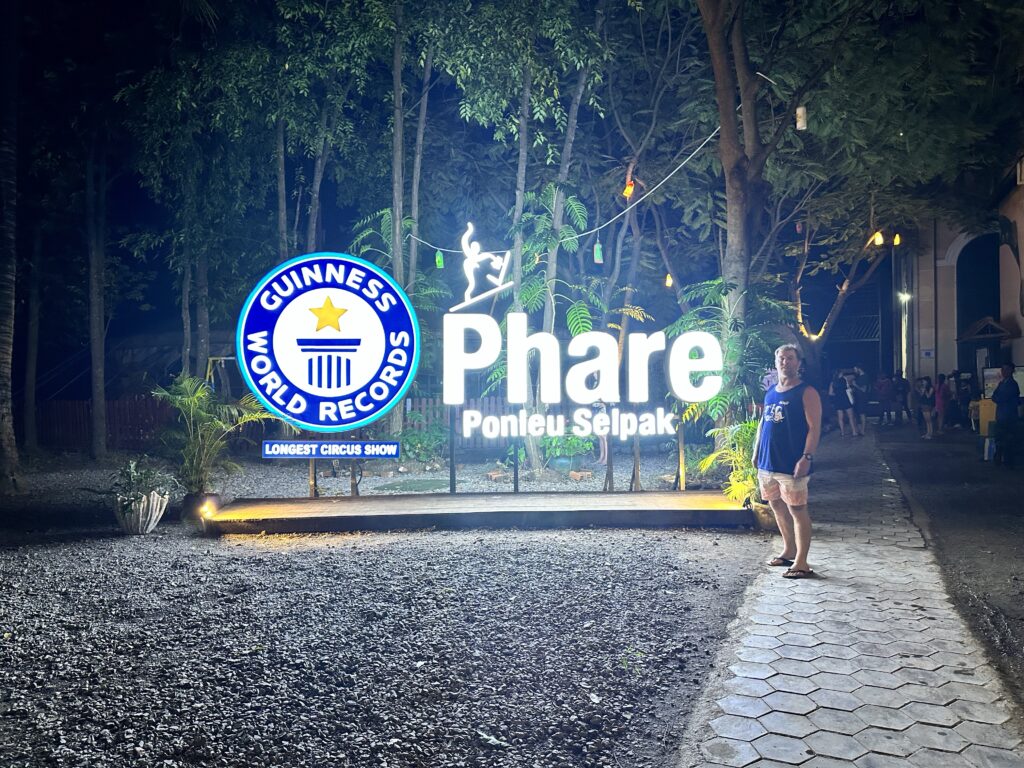
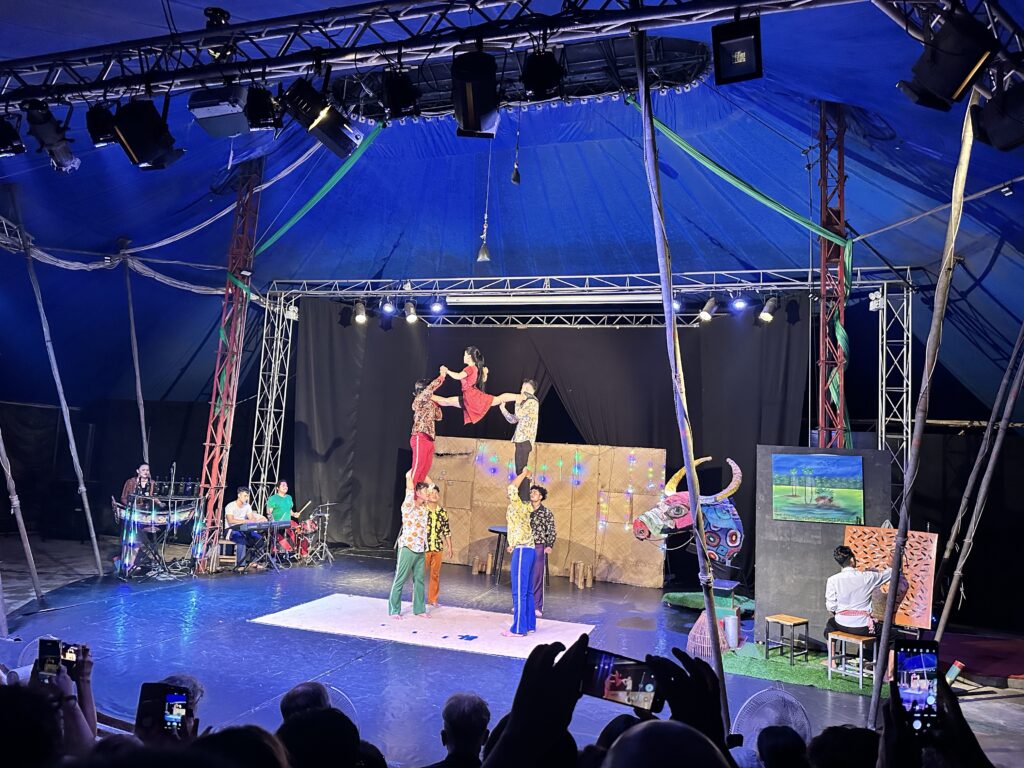
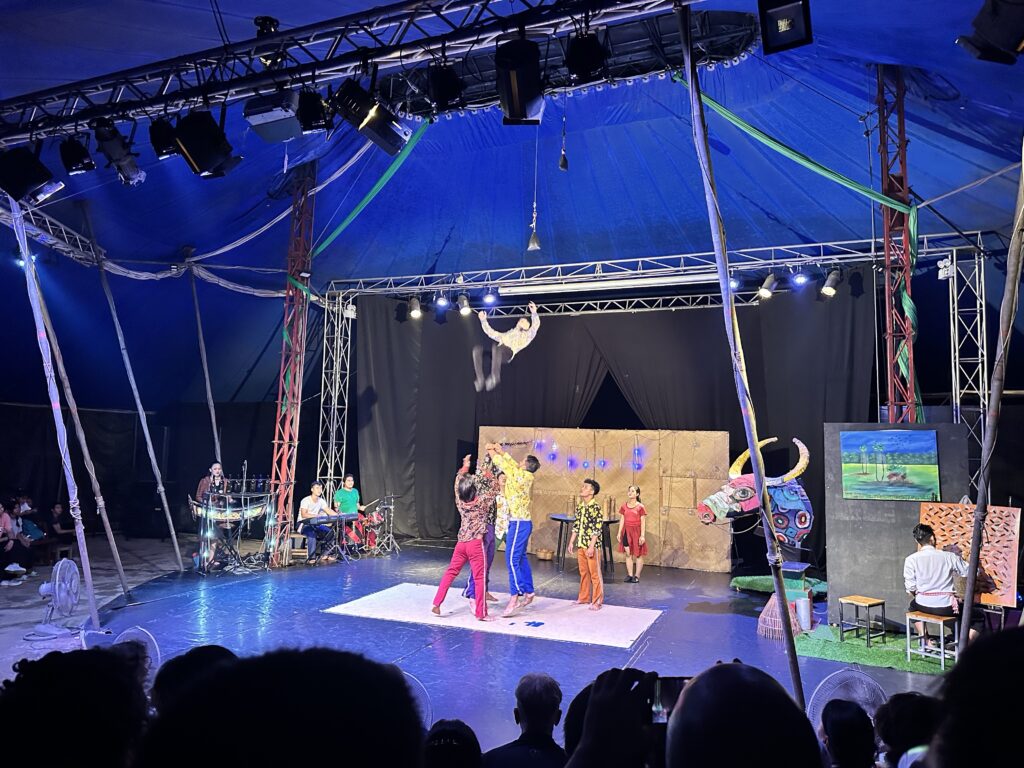
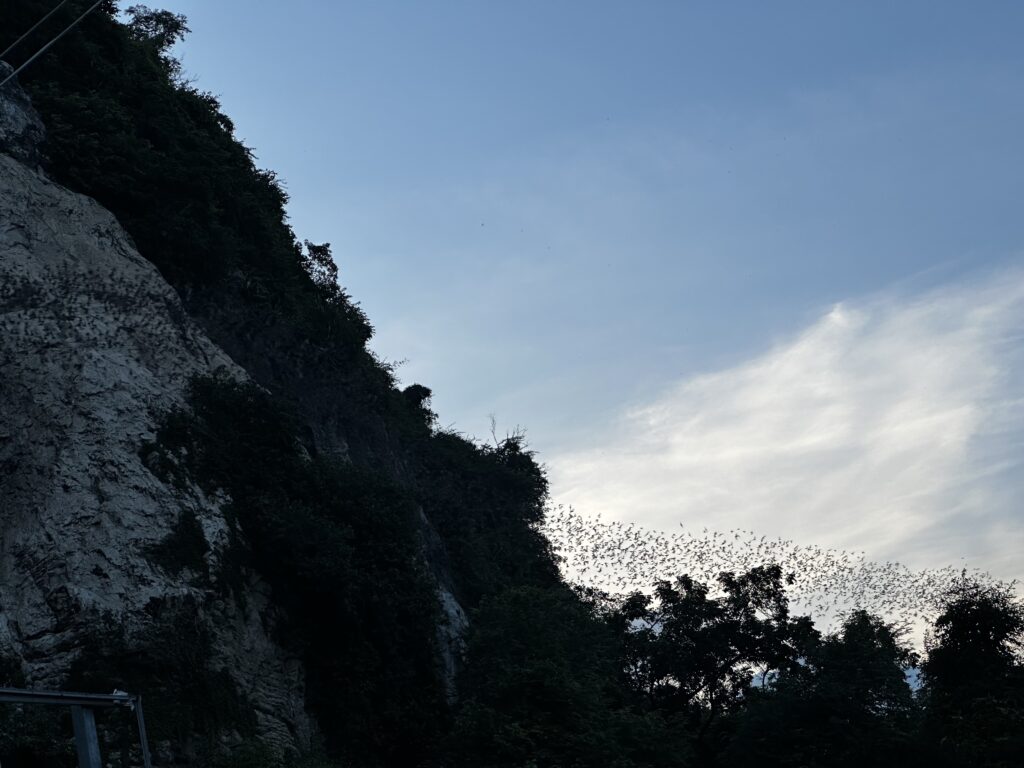
We arrived at our hotel Sanctuary Villas which is about 1km from town. The room was not great, with the stench of mould and dampness whacking you in the face as soon as the room door opened. The villa itself was big enough but was set out in a weird way. The bedroom had a spa bath and a hand basin, there were no power point next to the lamps and the power points that were there could not fit more than 1 appliance so you had to choose between the fridge and tv. The bed was hard (quite common in SE Asia) and made for an uncomfortable night. The next morning at breakfast the power went out to half of the hotel grounds, including our villa. We went to ask about the lack of power and were told it wasn’t coming on till 2pm. They then offered us a new room which we jumped at. The new room was very similar, but the hand basin was now in the bathroom, the tv worked, the bedside lamps could be plugged in and we could now sit outside under a small veranda. We were a bit happier with our new room. We spent our time in Battambang walking and seeing some of the sites. We were lucky to see the water festival where kilometers of stalls were set up along the river with all sorts of food, games and products for sale. We ate at a few stalls, Pete played a game (giving his prize to a local boy) and we generally soaked in the atmosphere. Another afternoon we went out to see the killing caves, Phnom Sampow mountain and bat cave. Located 20km out of town, it was a slow tuk tuk drive there. We walked up the mountain and saw another location that the Khmer Rouge did some unthinkable acts to the civilians of Cambodia. They believe around 2000 people were murdered in this location, with their bodies thrown into the cave. Bones are still slowly coming to the surface, much like at the genocidal centre in Phnom Penh. We walked back down the hundreds of stairs to the bottom, grabbed a beer and waited for the sun to fall to see the bat migration. Every evening thousands and thousands of bats fly out of a cave into the countryside. It was amazing to witness the little creatures wizzing through the air. The final major activity we did was to visit Phare Ponleu Selpak circus. This circus was set up back in 1986 in a refugee camp on the Thailand border. It was developed by a French artist as a way to help children overcome their traumas of the war. It provided children some skills in the arts such as drawing, dance, acrobatics, singing and acting. The not for profit organisation still provides free lessons to children today. They recently became Guinness World Record Holders for having the longest running circus show at 24 hours straight. The show itself was great, with the young performers showing many skills including acrobatics, hoop work, juggling, clowning and even one artist completing 2 paintings.
The rest of our time in Battambang was spent reading, swimming in the pool, walking, eating at a variety of restaurants and relaxing.
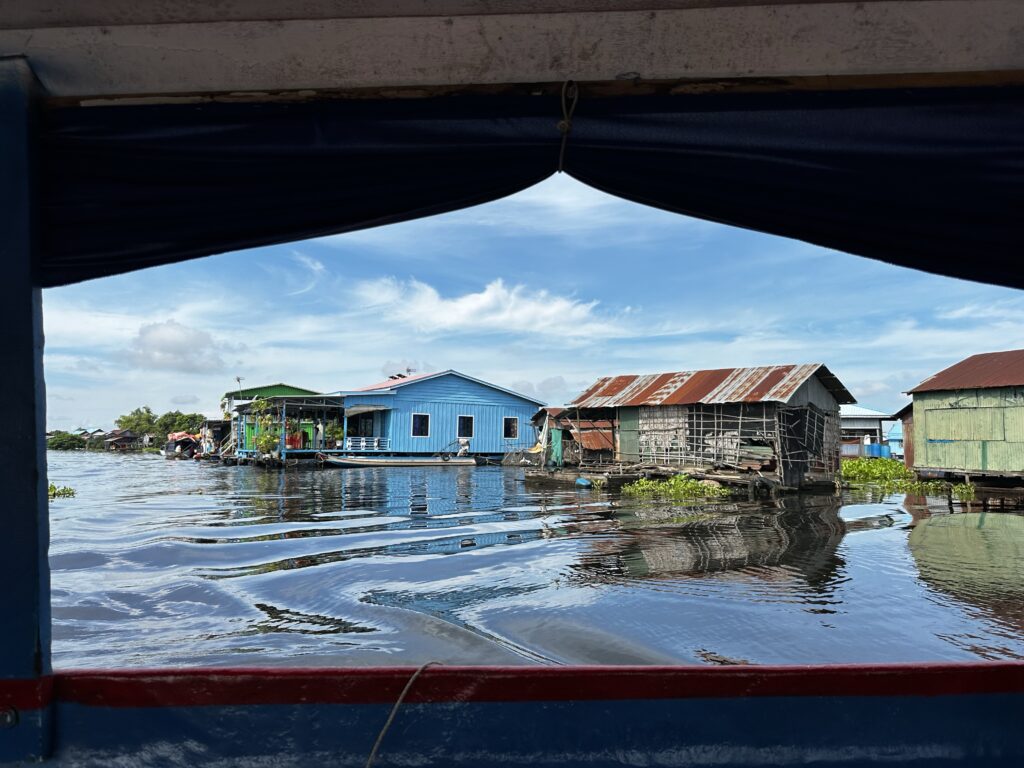
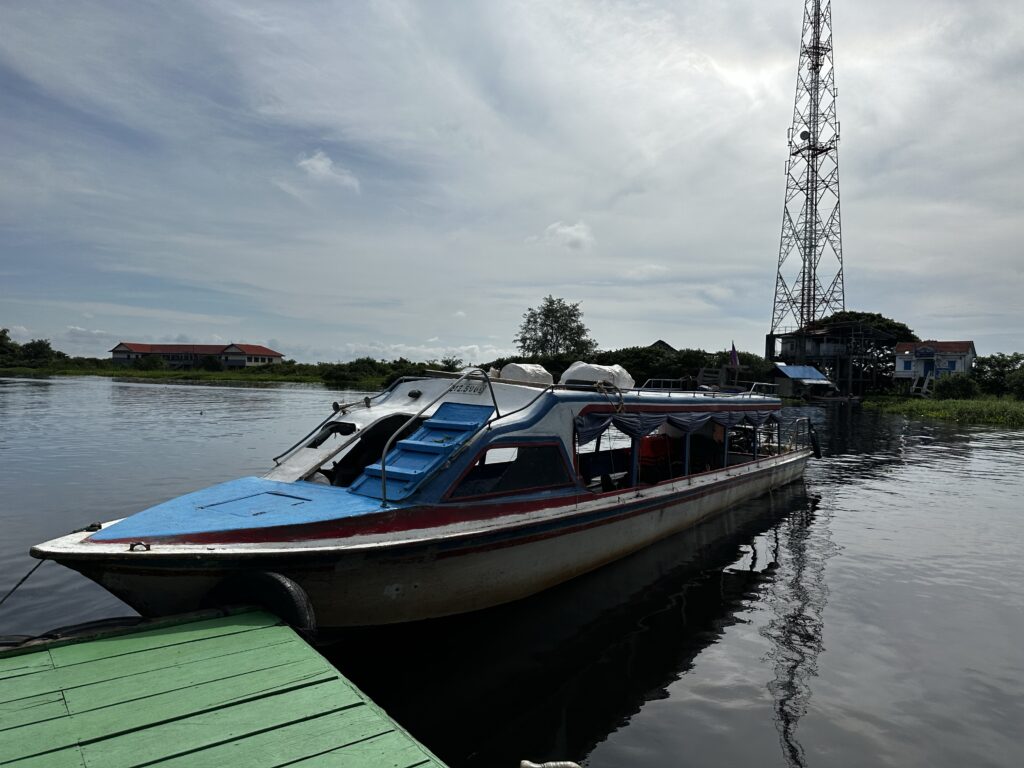
Next we moved on to our last stop in Cambodia, Siem Reap. A 6 hour boat trip along the Sangkor River was our chosen method of transport. At times, the river is was very narrow with tree limbs invading our very open little wooden boat. We had to stop once to remove a tree from the path and a few more times as there was rubbish in the boat prop. The river for the first half was very dirty with rubbish of all descriptions littering the waters. Televisions, mattresses, helmets, bottles and general rubbish certainly spoilt the scenery. We passed many floating villages with people going about their day. Children were going to school, farmers were fishing, builders were repairing houses or building new structures. It was a fantastic way to see this part of the country. A wicked thunderstorm blew up in the last 30 minutes of our trip, making it rough and us very wet. Yes the 3 hour trip in an air conditioned bus would have been easier, but we really wanted to do this and we are glad we did.
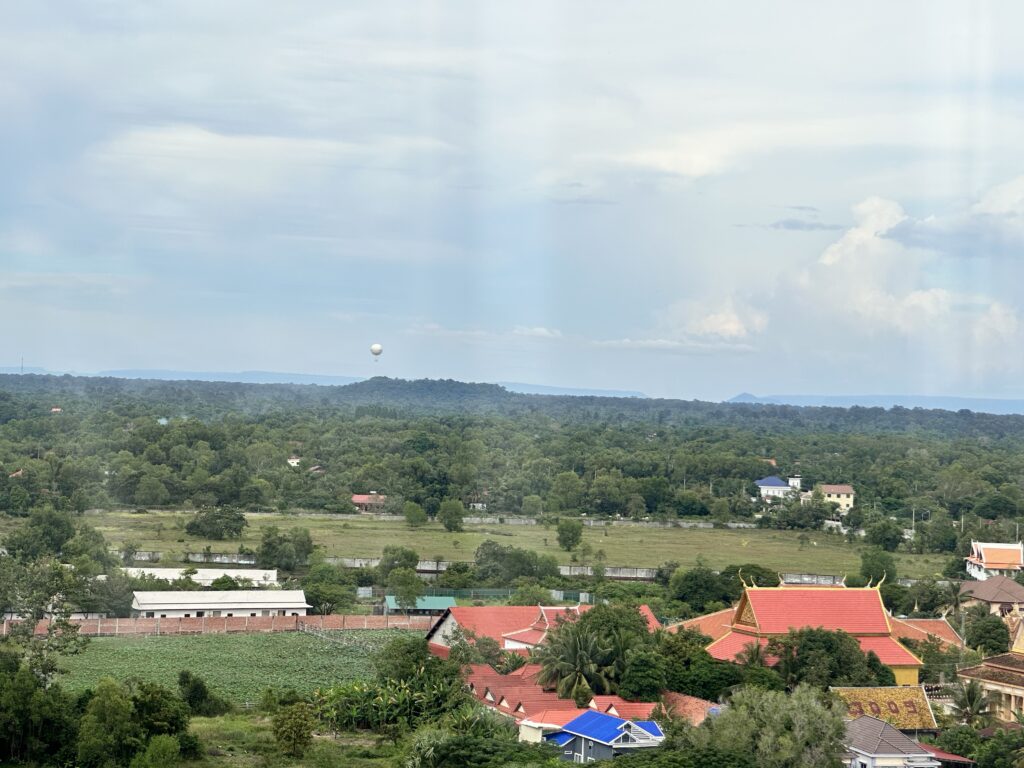
We arrived at our accommodation, the Sala Siem Reap Hotel and were met by the nicest team of people. They had upgraded our room to a suite which was pretty nice. We had only originally booked 4 nights but booked an additional 6 which they gave us at the same price, $57 per night including breakfast (70% off). We spent the 10 days in Siem Reap enjoying the city. It is very green with lots of trees, restaurants are on every corner, there are many markets, pubs and museums and amazing ruins from the Angkor era to explore.
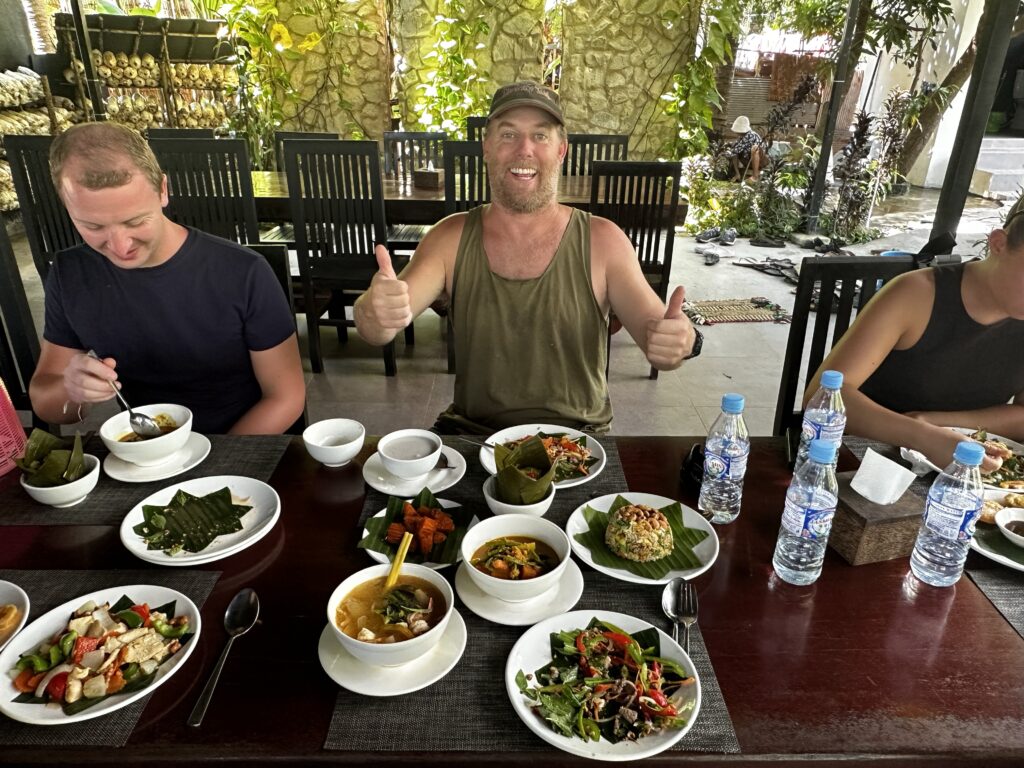
We took a cooking class where we went on a local market tour and cooked 4 different dishes each. Our favourite was the Tom yam soup. One morning we explored the Angkor National Museum. We spent 3 hours wondering through all of the displays including a room with 1000 Budas, listening to the audio tour and learning about the past kings of Cambodia.
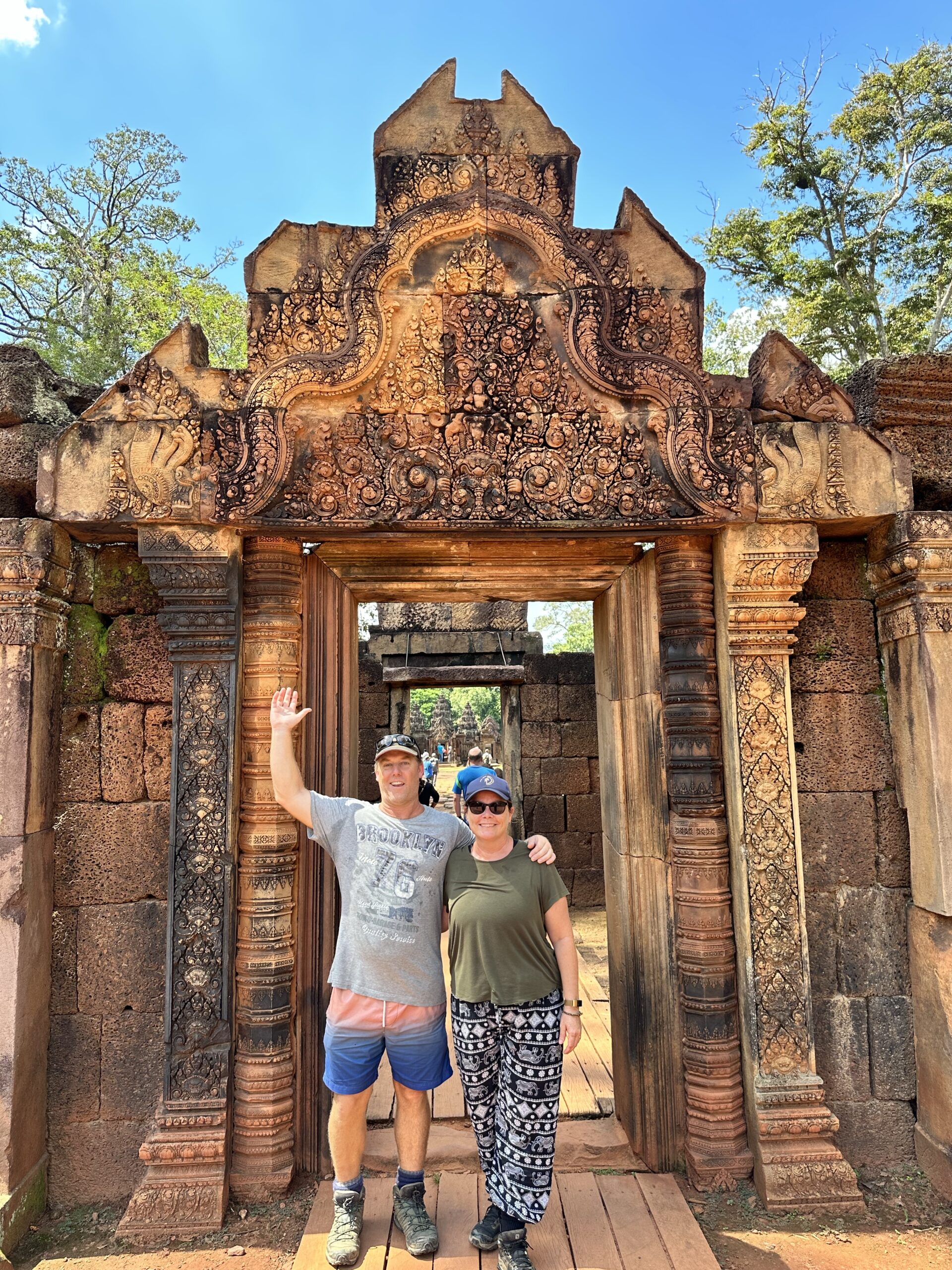
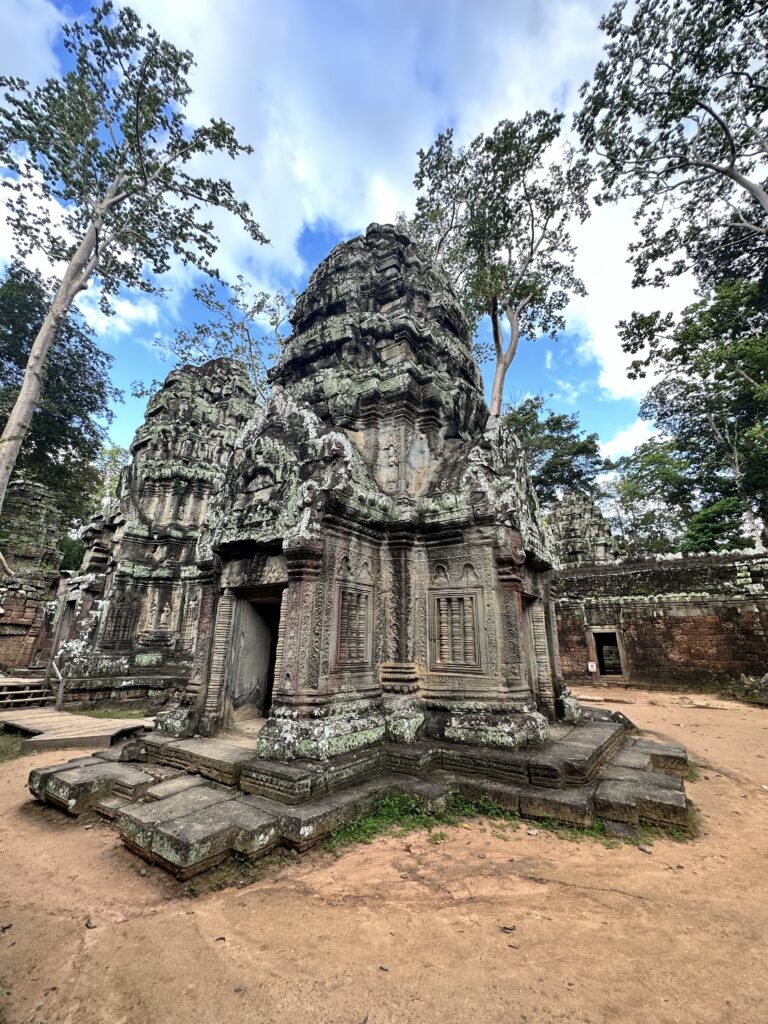
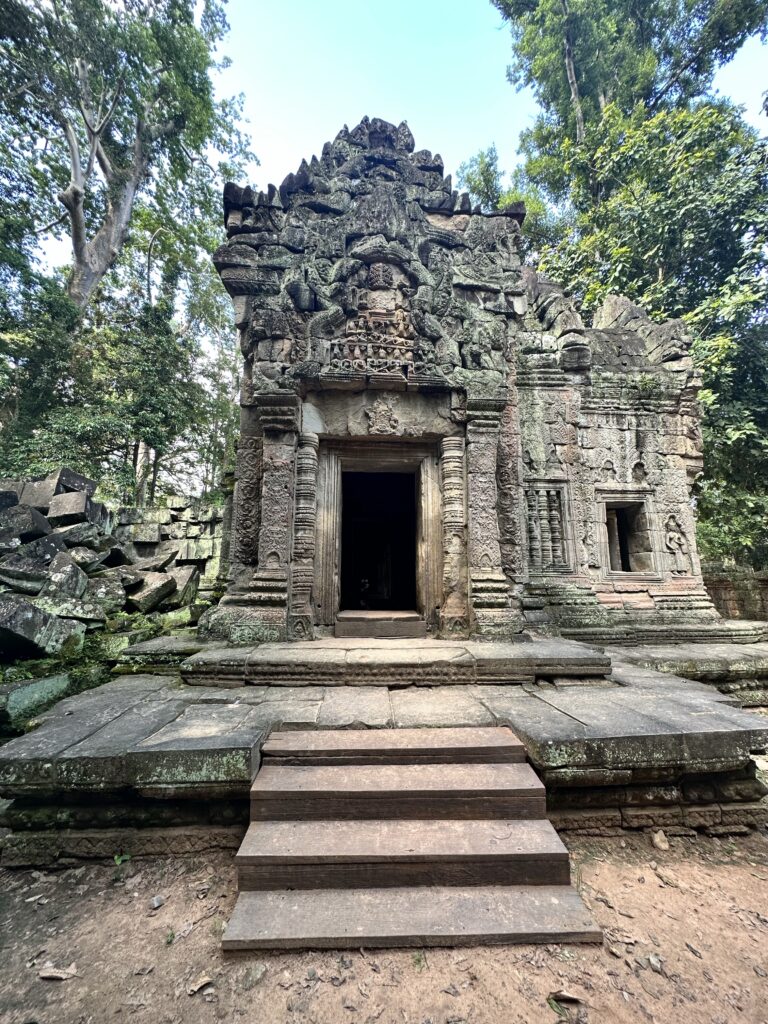
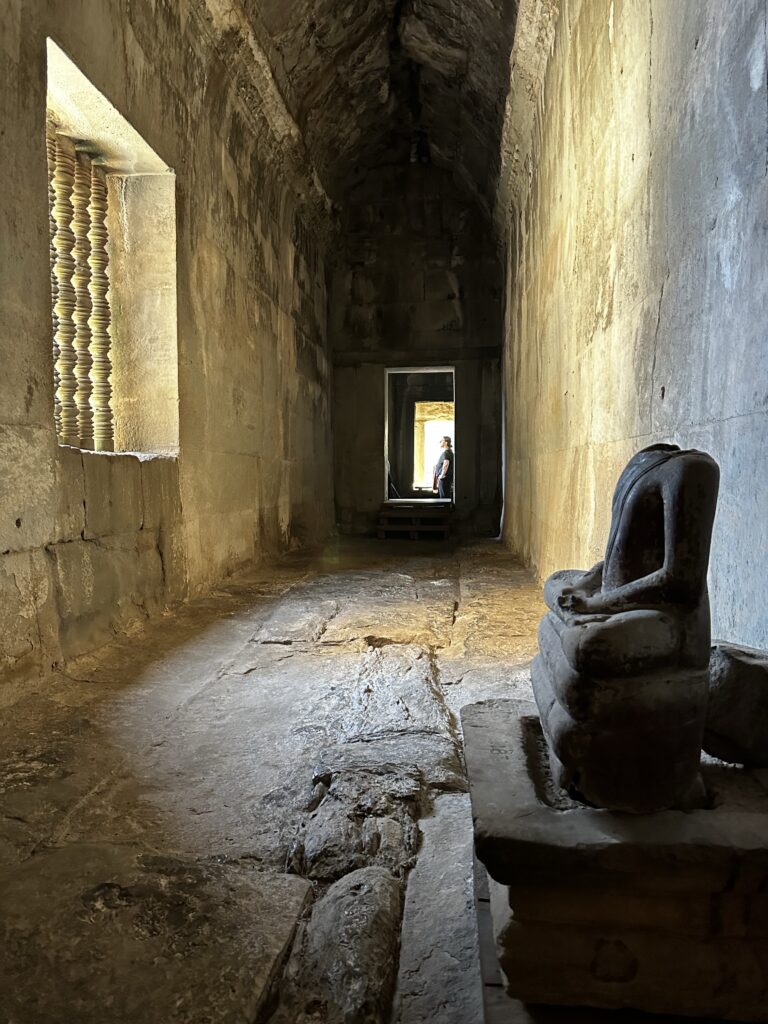
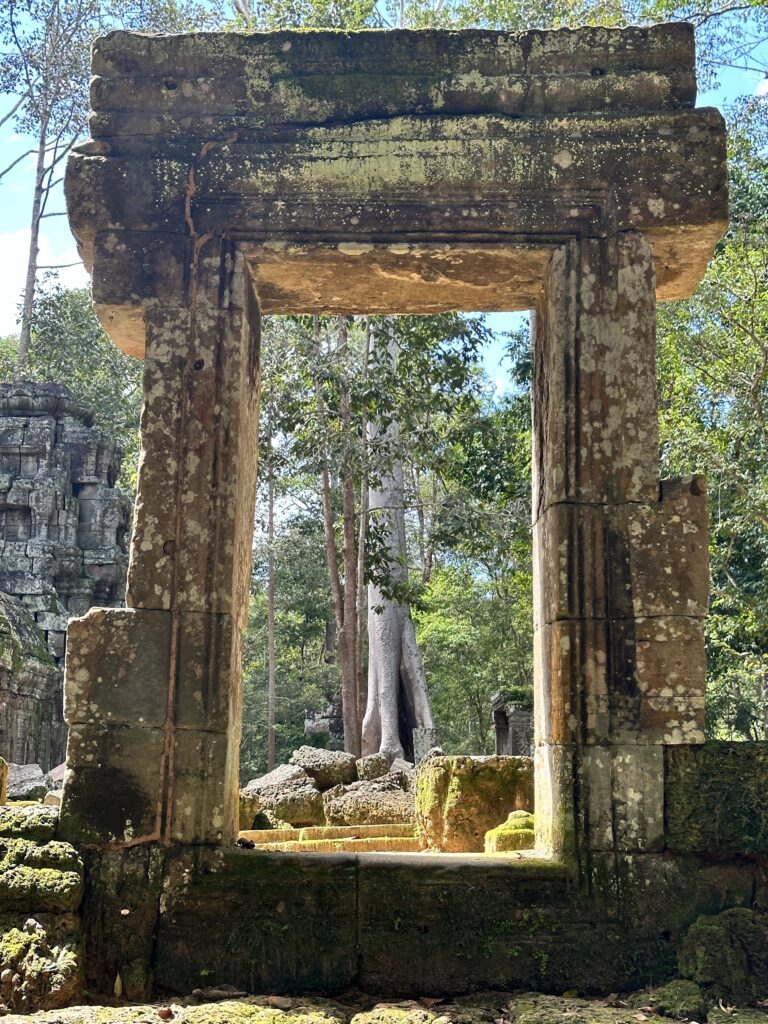
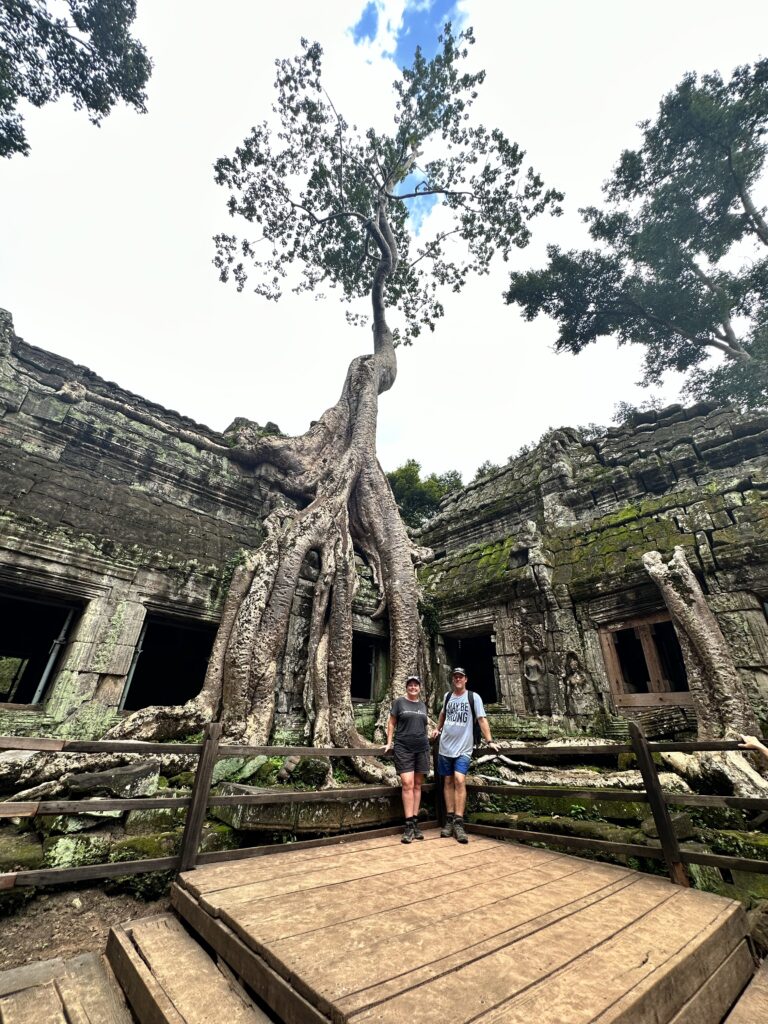
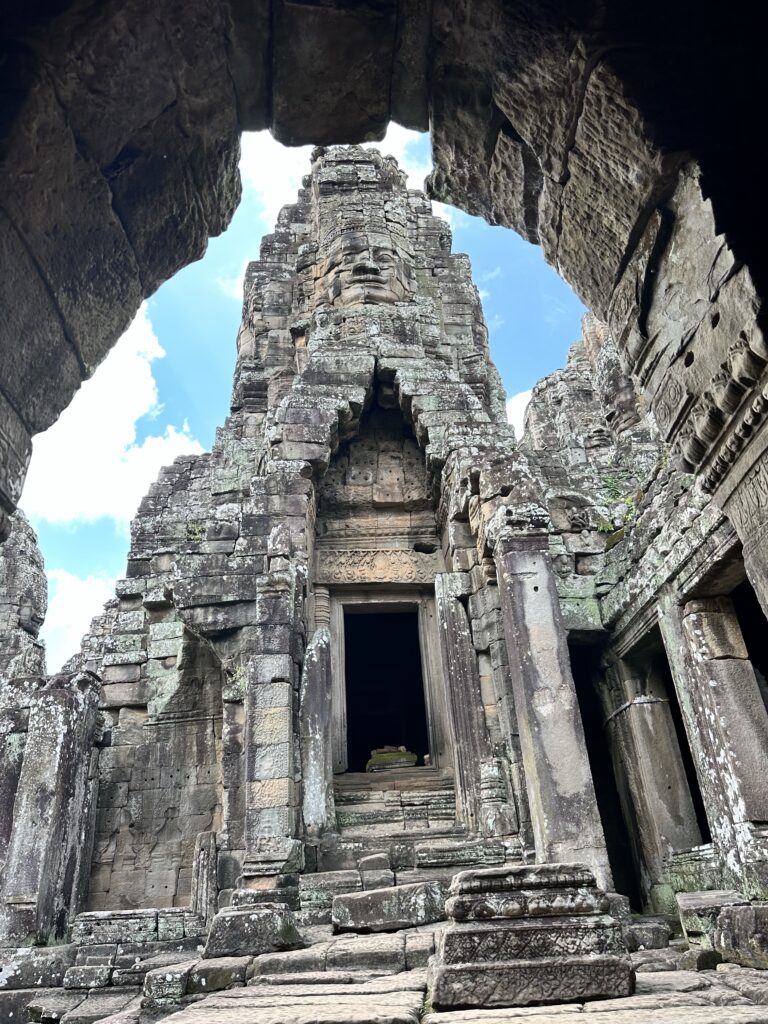
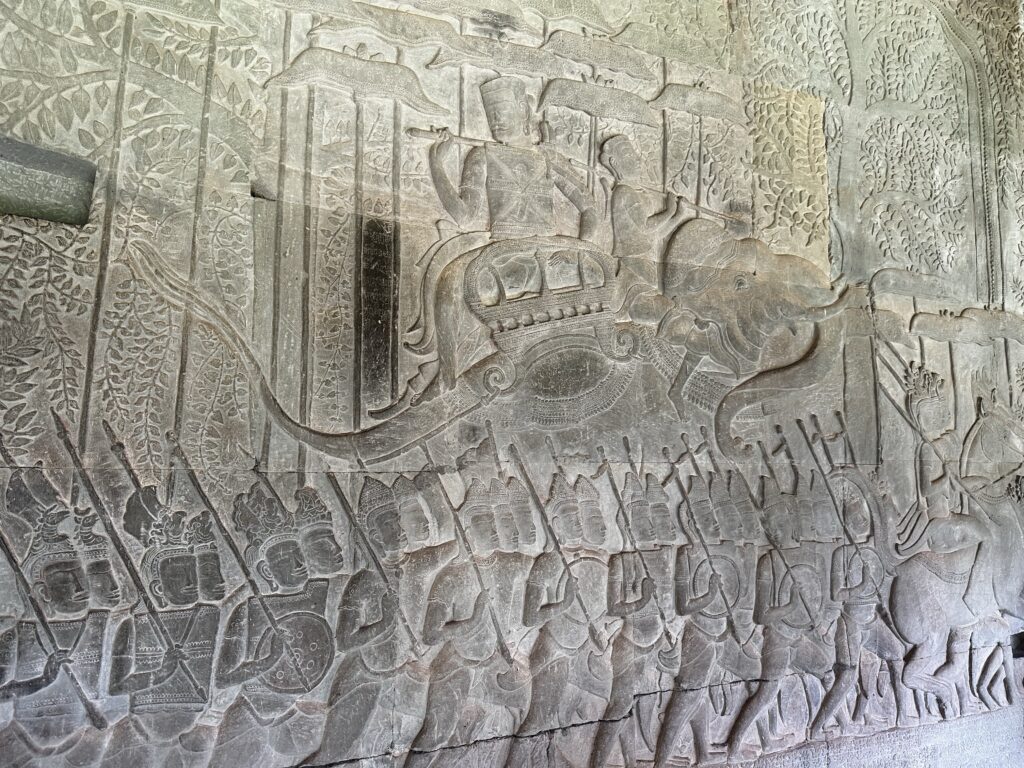
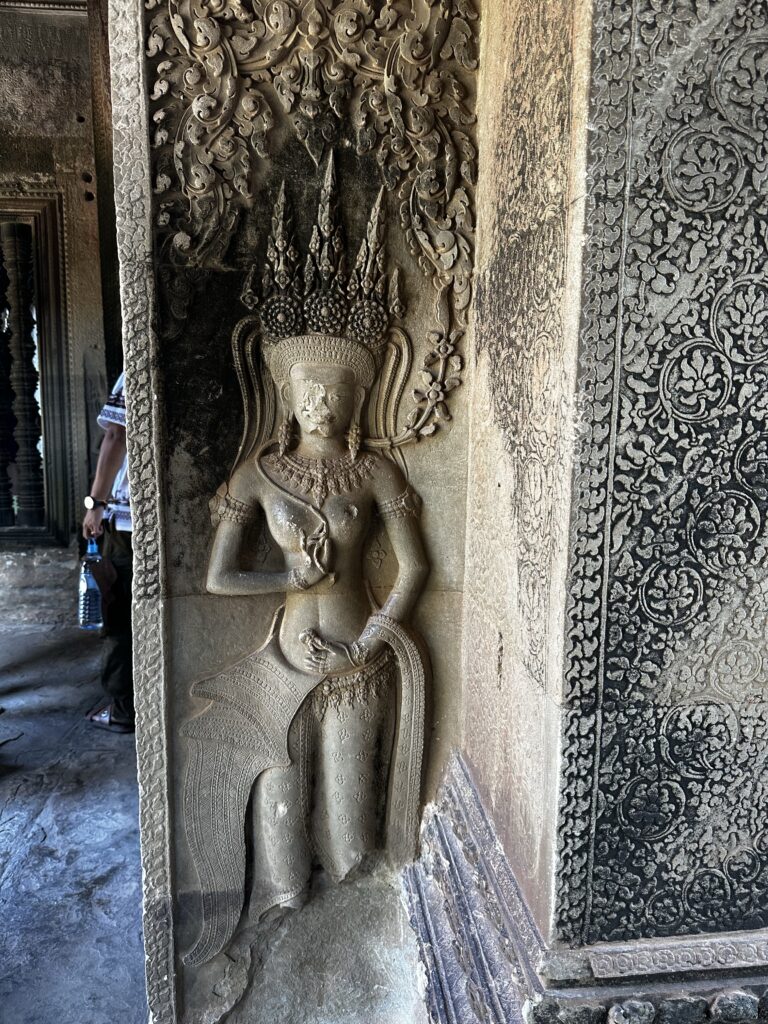
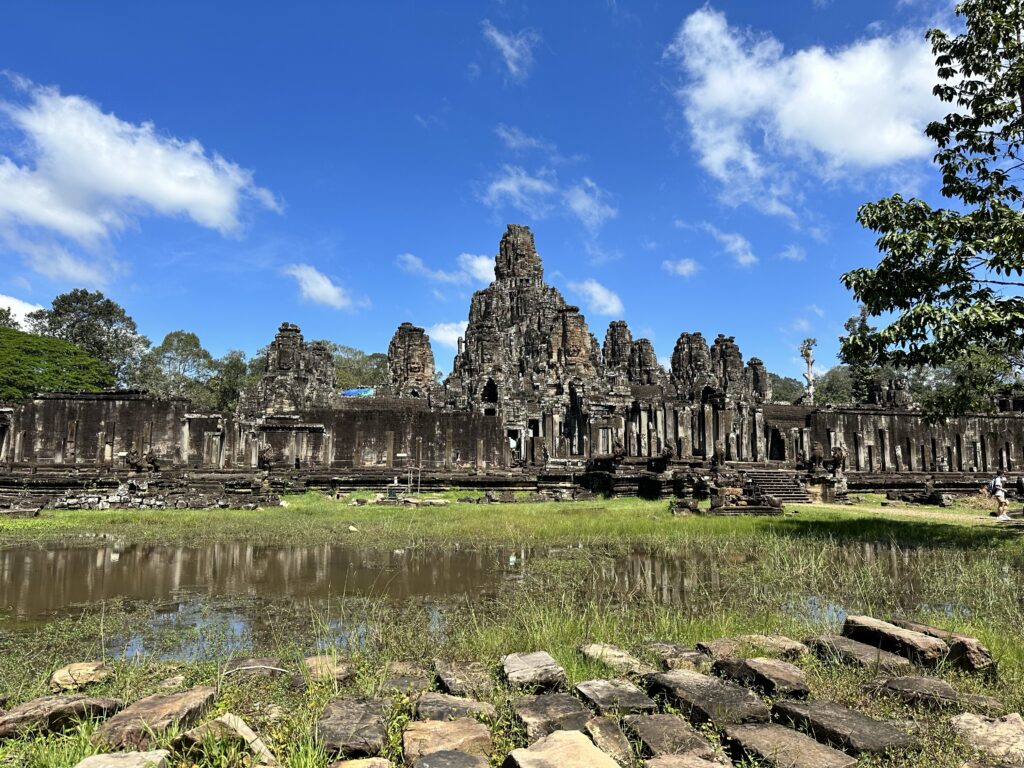
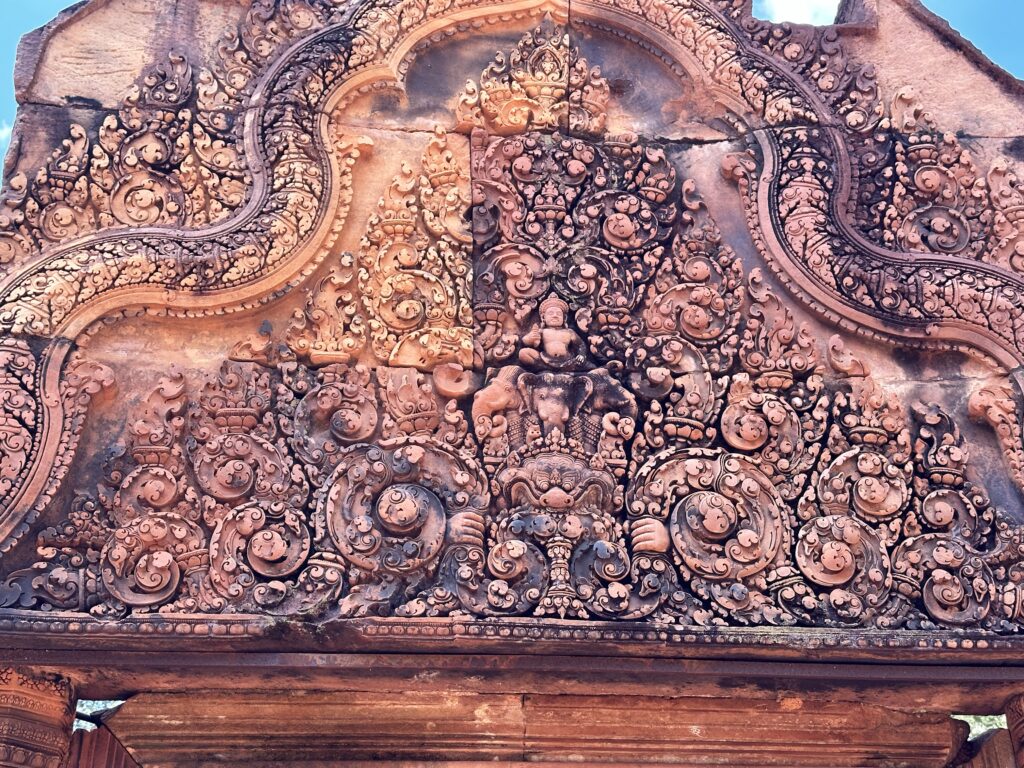
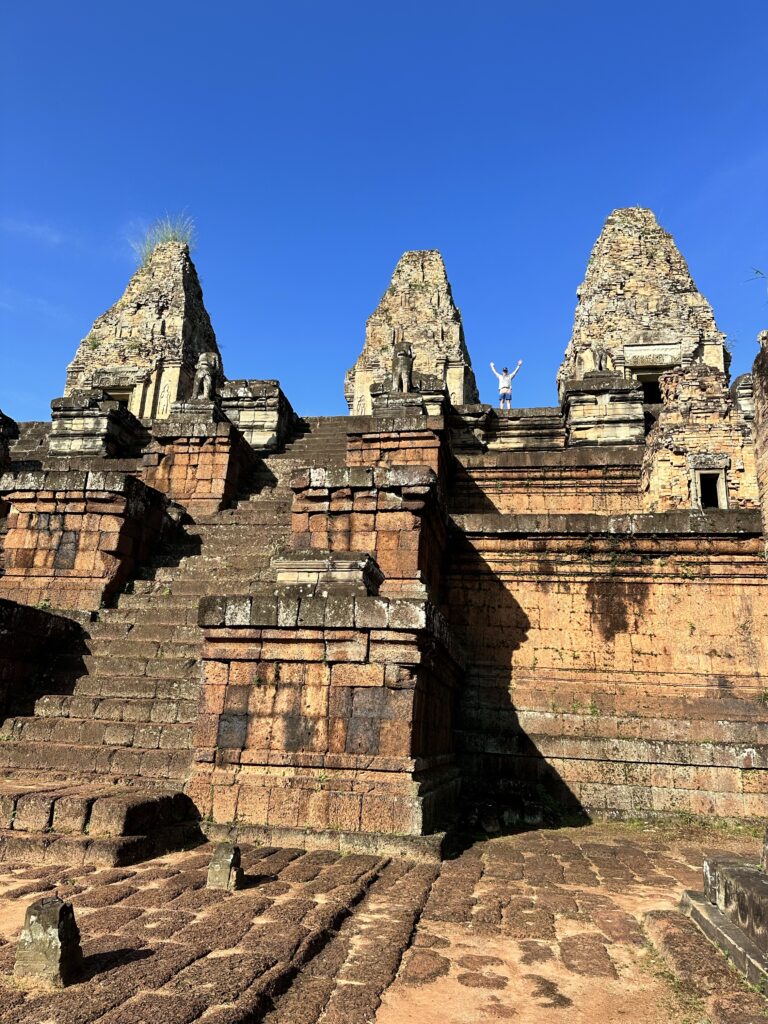
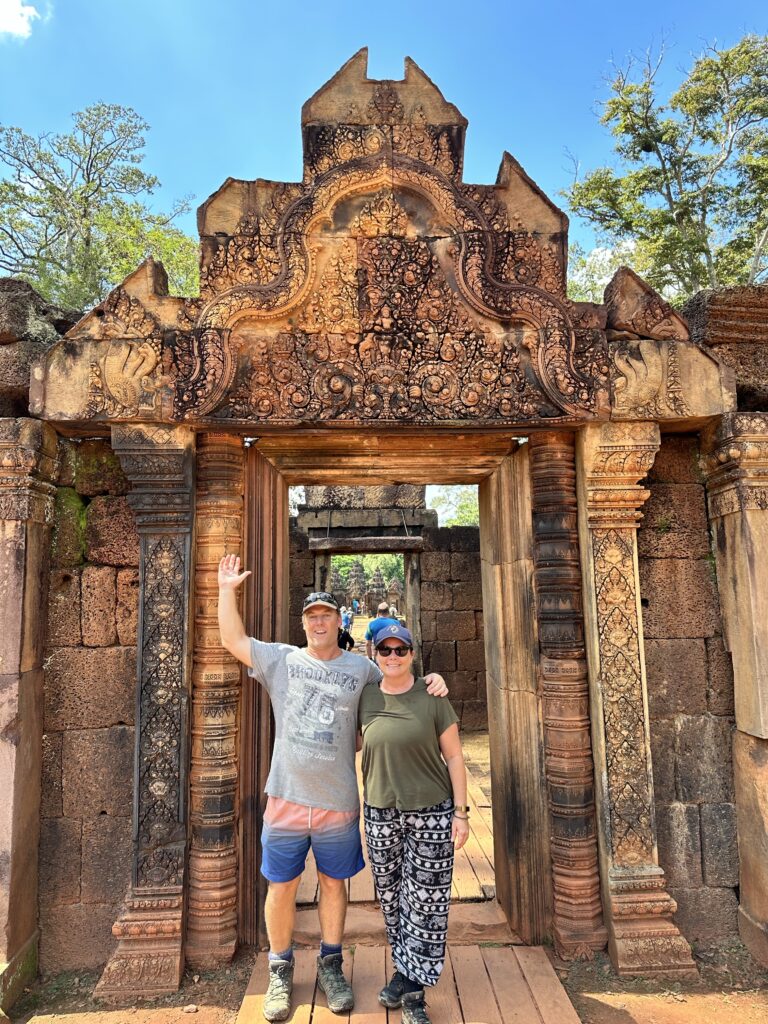
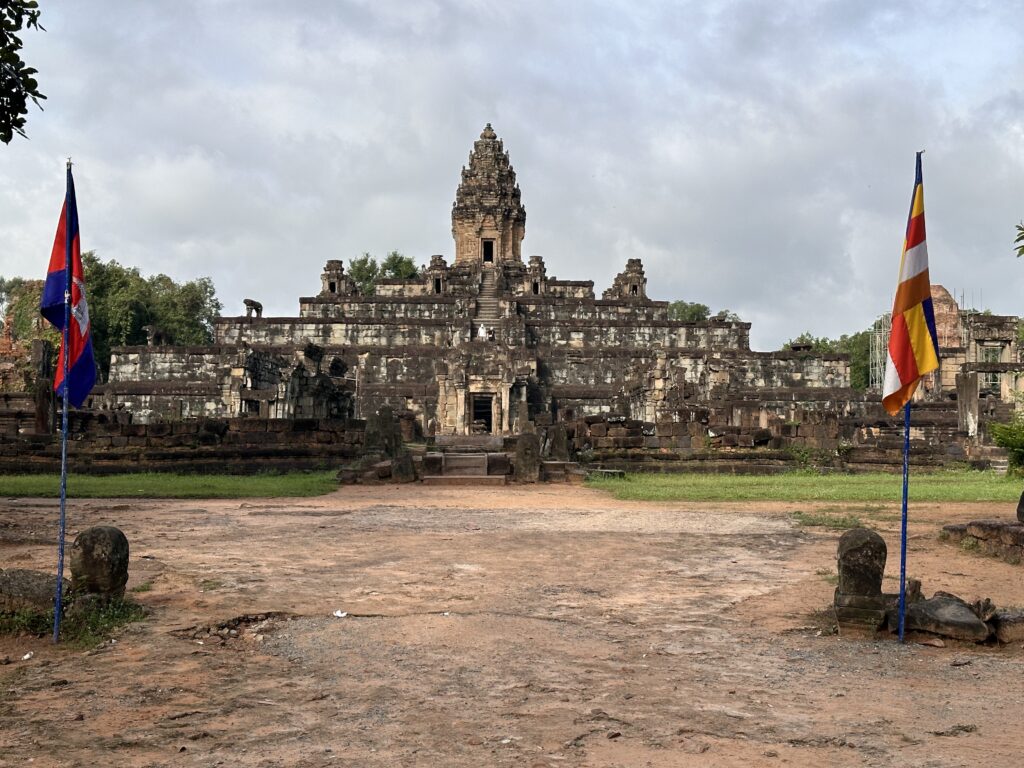
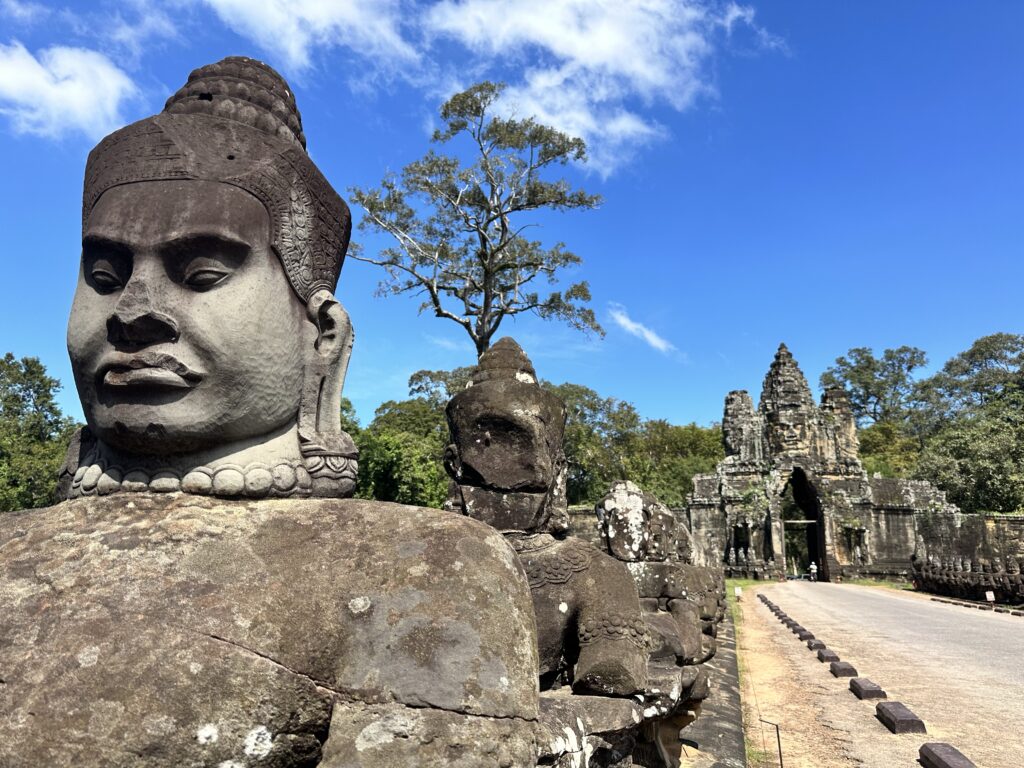
We took 3 x day tours to visit some of the many ruins of Angkor. We visited many temples and ruins including Banteay Srey (Lady Temple), Angkor Thom, Bayon Temple, Ta Prom (Tomb Raider was filmed here), Rolous Group and the most famous of all Angkor Wat said to be the world’s largest single religious monument. The detail in the architecture is exquisite. There is story telling through the carvings of everyday life and the many wars that the ancient Cambodian people faced. Most of the temples have been reduced to rubble with only some sections still standing, but restoration teams are working on them to either preserve what is left or restore. Unfortunately, over the years, many people have cut off and stolen the hands, feet and heads of many statues. Some have been found and returned and are on display at the Angkor National Museum, but most have been lost forever. The stones used to build the temples are huge, with some weighing up to 10 tonnes. Elephants were used along with rafts to move the blocks from the mountains to the specific sites. As one king either died or was killed, a new one took over and built a new set of temples. The temples were used for either living in, prayers, or as tributes to the gods. There are around 4000 temples spread over Cambodia with more than 1000 in the Siem Reap area. Photos and descriptions do not do justice to the sheer scale and pure awe that the structures emit. It is a place that you must see in person to truly appreciate.
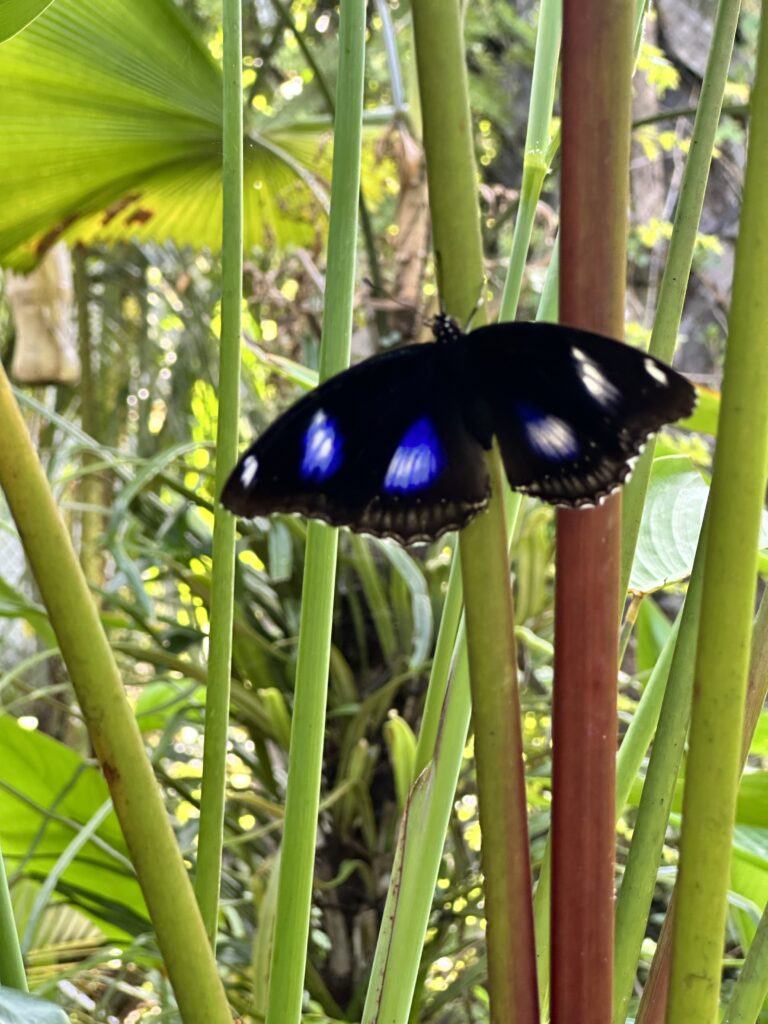
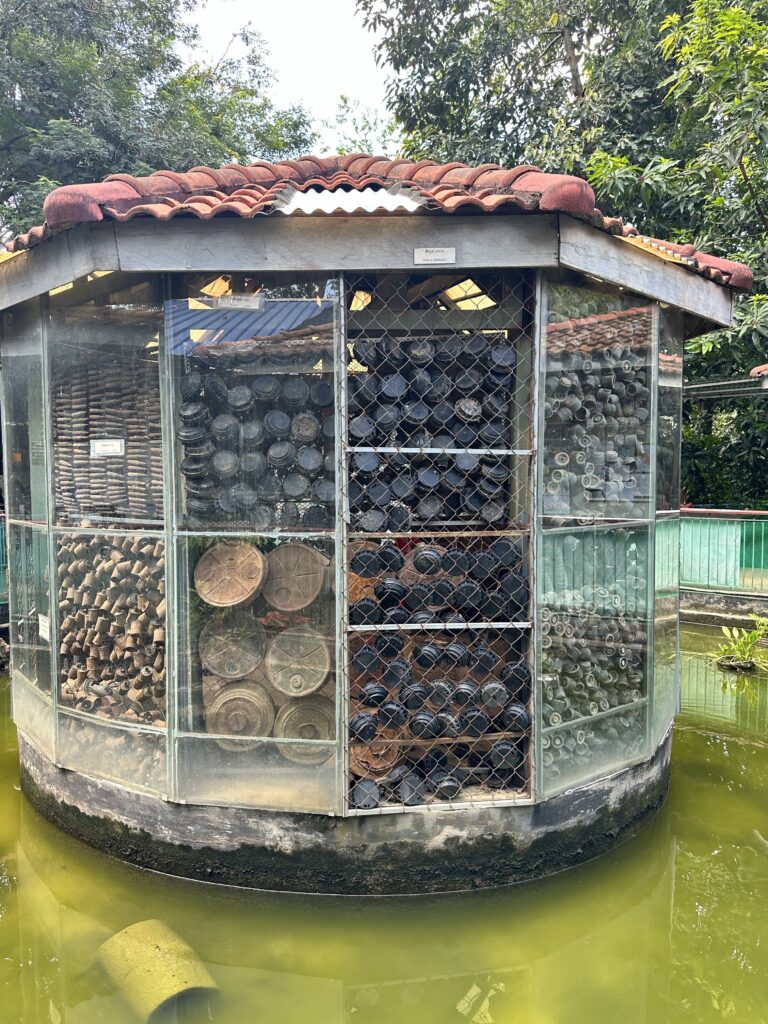
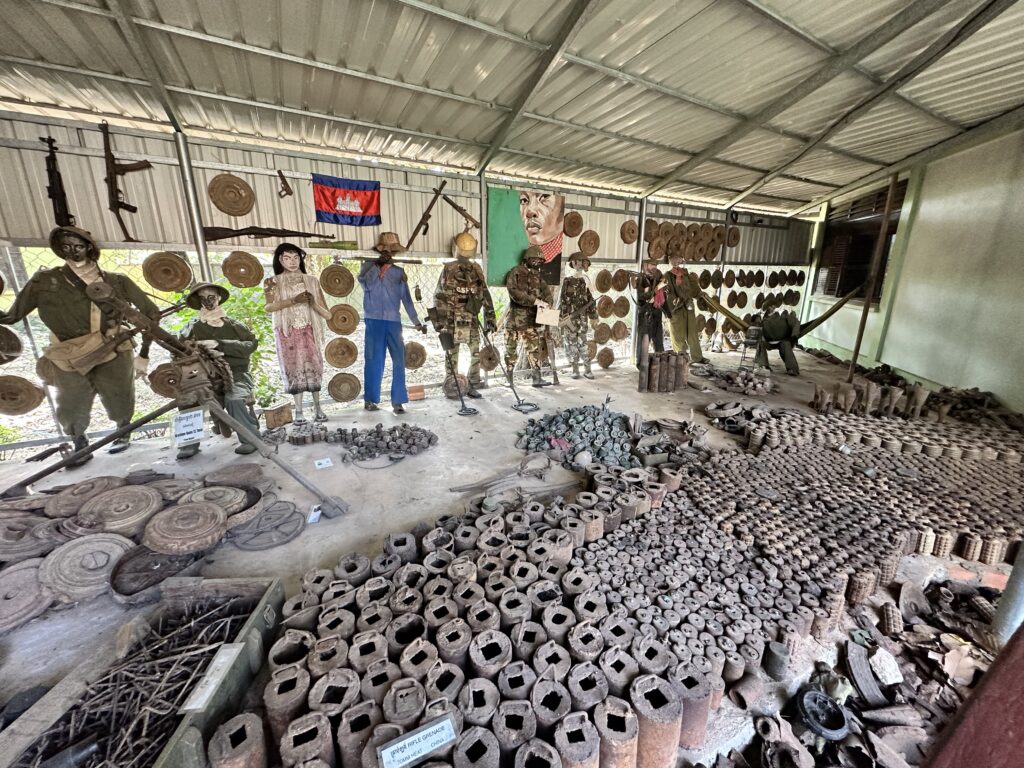
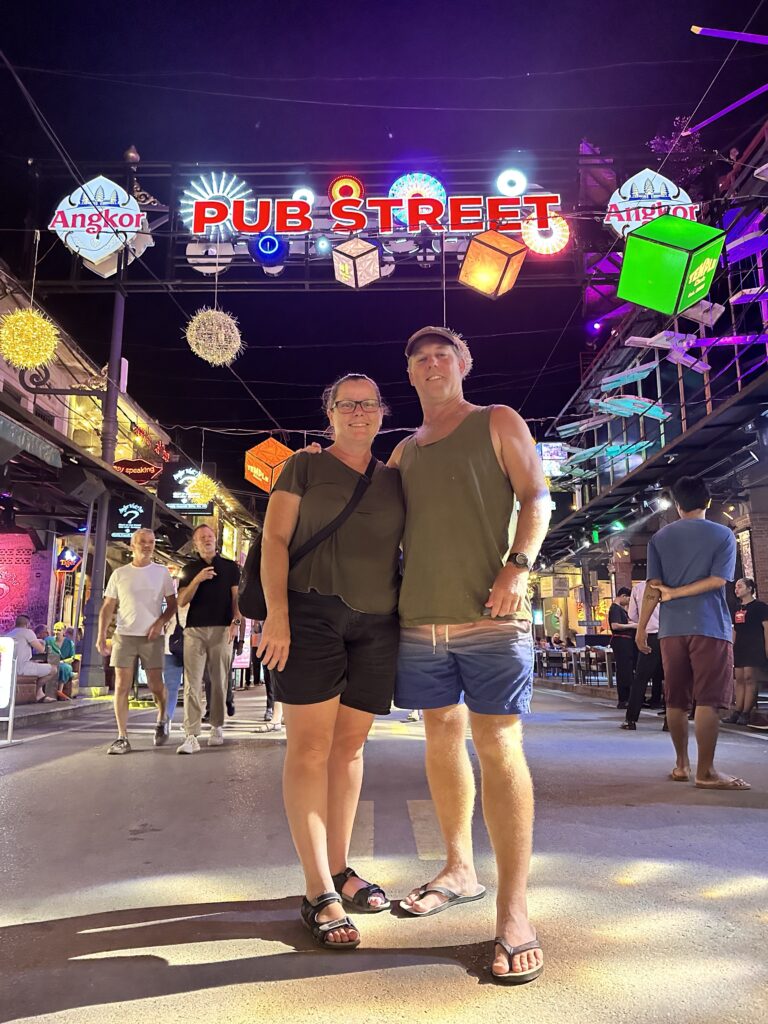
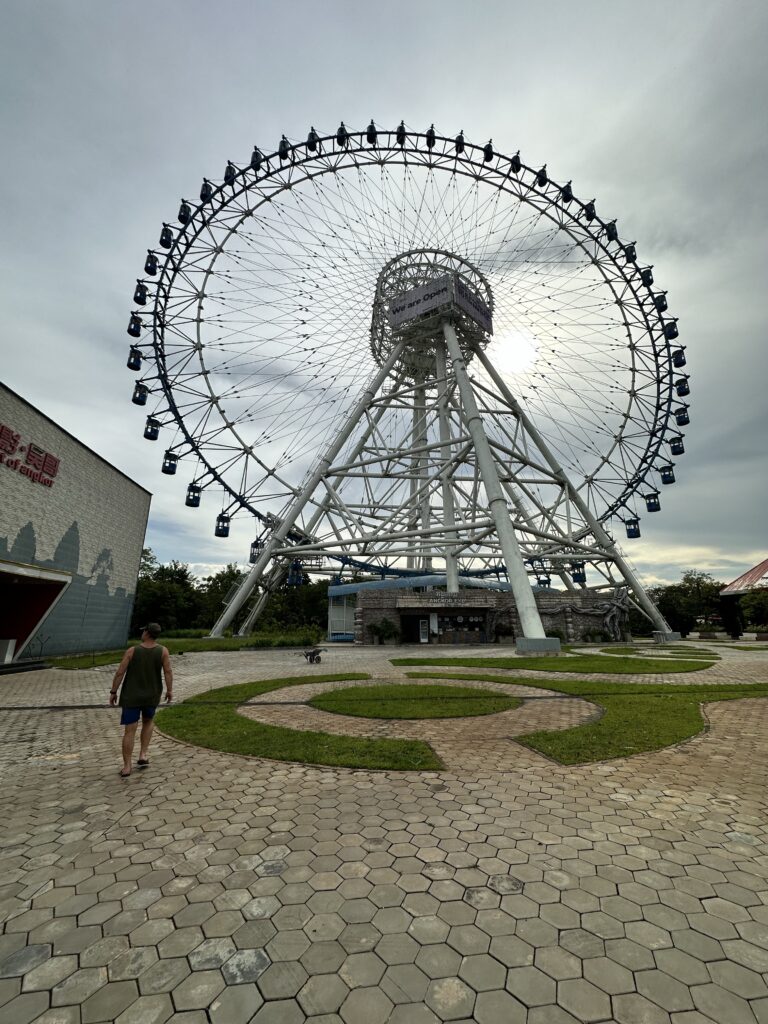
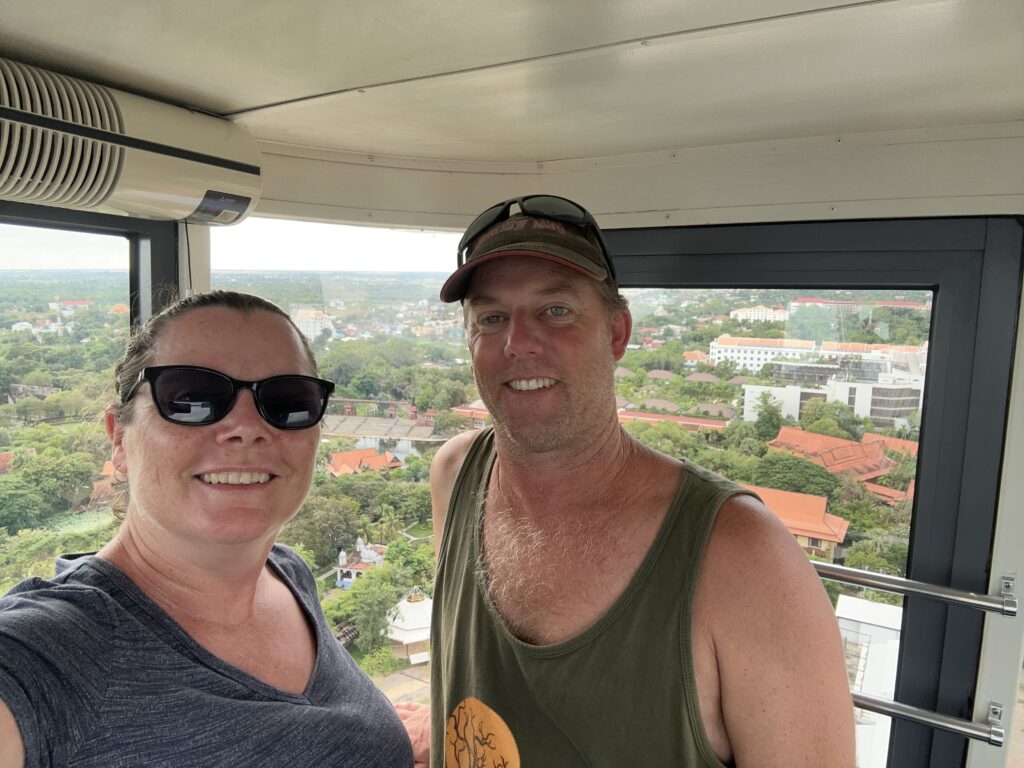
We also visited the Banteay Srey Butterfly Centre where they are breeding many species of butterflies and moths to conserve then re-establish populations. We visited the Cambodian land mine museum with its vast display of land mines, bombs and other war time artifices. The museum was set up by a former child soldier of the war, who has dedicated his life to ridding the world of land mines. The Angkor Eye ferris wheel, pub street and various markets, restaurants & bars were also on our places visited.
With our month in Cambodia over, we will looked back fondly on this very poor but very resourceful country. The people have been very friendly, they smile, say hello at every chance, and try to help when they can despite the language barrier. They have taken us into their homes and lives and shown us parts of a country people often do not even think about visiting. It is not a country full of tourist adventure activities, but is one ready and waiting to be explored.
So…Where 2 Next you ask? Don’t worry, we’re not back in Australia just yet.

Leave a Reply
You must be logged in to post a comment.